
How to Choose the Best Bitcoin Casino in Canada 2026: A Safety-First Guide to Licensing, Provably Fair Games, and Responsible Gambling
How to Choose the Best Bitcoin Casino in Canada 2026: A Safety-First Guide to Licensing, Provably Fair Games, and Responsible Gambling

I've watched the Canadian gambling scene shift fast over the past couple of years. Nothing shows that change better than the explosion of Bitcoin casinos. Walk into any crypto forum or Reddit thread about online gambling and you'll see Canadians raving about instant withdrawals, tiny fees, and a kind of privacy traditional banking just can't match. Easy to see the appeal, really — who wouldn't want their winnings in minutes instead of days?
But here's the thing I keep coming back to after poking around dozens of these platforms: the same features that make crypto casinos attractive also make them riskier if you don't know what you're doing. Unregulated sites, fake licenses, rigged games — still very much part of this space in 2026, unfortunately. So I put together a practical, safety-first framework. Something I'd actually use myself, covering licensing, provably fair tech, and the responsible gambling tools that separate operators worth trusting from the ones you should run from.
What Makes a Bitcoin Casino Different From Traditional Online Casinos
At its core, a Bitcoin casino works much like any online casino, except deposits and withdrawals move through cryptocurrency wallets instead of your bank account or credit card. Transactions get recorded on the blockchain, so there's a public, verifiable trail of every move your funds make. For Canadian players, that appeals on a few levels — speed, lower costs, and a layer of anonymity conventional payment rails just don't give you.
Speed, Privacy, and Lower Fees
I've personally felt the difference in withdrawal times comparing crypto casinos to standard e-wallet or bank transfer options. Instead of waiting three to five business days, a Bitcoin withdrawal can land in your wallet within minutes to a couple of hours, depending on network congestion. Fees tend to run lower too, since you're cutting out intermediary banks entirely. And because wallet addresses aren't tied to your identity the same way a credit card number is, there's a degree of pseudonymity a lot of Canadian players find reassuring.
Risks Unique to Crypto Gambling
That said, crypto gambling isn't without its own headaches. Bitcoin's value can swing hard within a single session — meaning the amount you deposit might be worth noticeably more, or less, by the time you cash out. Transactions are also irreversible. No chargeback mechanism like you'd get with a credit card company, nothing.
If you send funds to the wrong address, or get scammed by a shady operator, that money's essentially gone. Gone-gone. This is exactly why vetting a platform carefully matters so much more in the crypto space than it does with conventional casinos.
Licensing and Regulation: The Non-Negotiable First Step
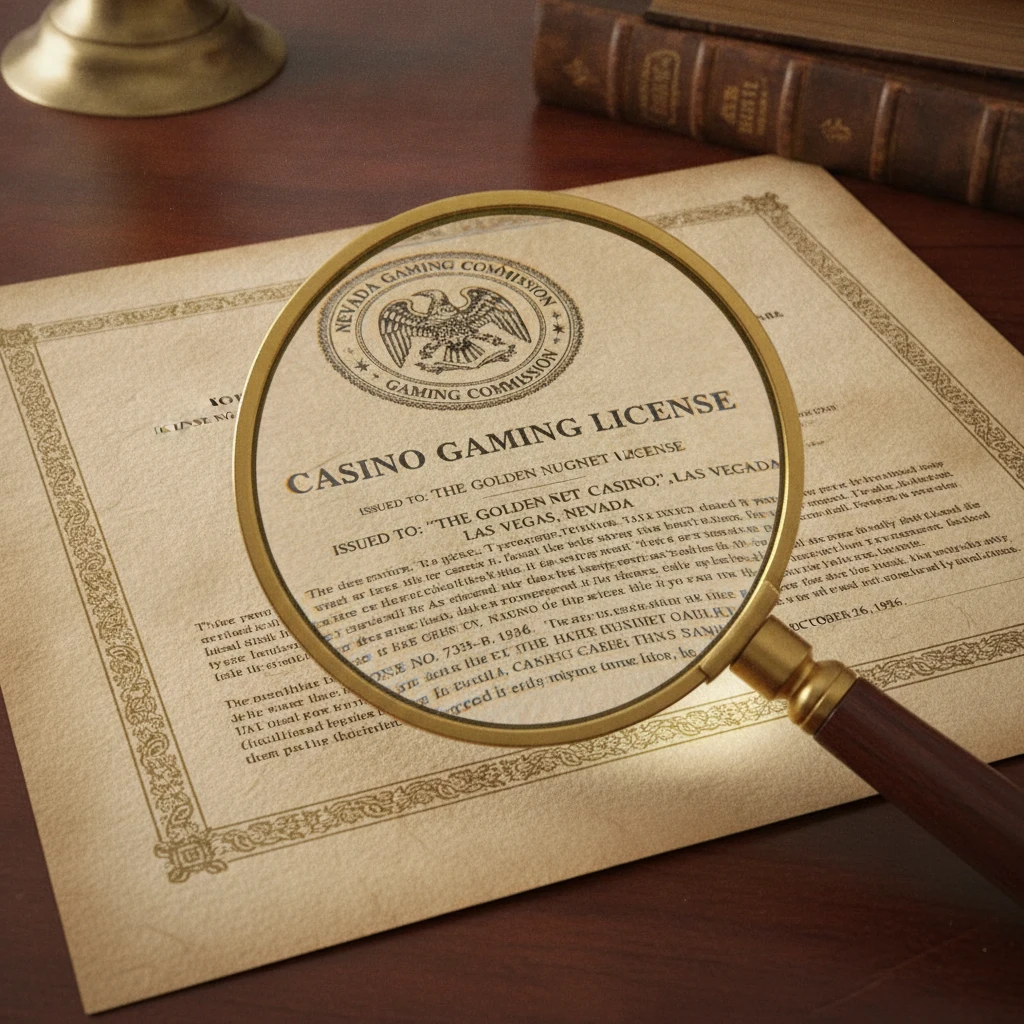
If there's one thing I'd tell every Canadian player before they deposit a single satoshi, it's this: check the license. Reputable Bitcoin casinos typically operate under jurisdictions like the Malta Gaming Authority, Curacao eGaming, or the Kahnawake Gaming Commission — which, worth noting, is based right here in Canada and has become a go-to regulator for crypto-friendly operators. A proper license means the casino agreed to independent audits, fair dispute resolution processes, and minimum standards for game integrity.
How to Verify a Casino's License
Don't just trust the little badge sitting at the bottom of the homepage — anyone can copy and paste a logo, takes two seconds. Instead, head straight to the regulator's official website and search for the casino's license number. Legitimate operators list this number clearly, and it should match what's published on the regulator's own database.
I also recommend checking for recent audit certificates from firms like eCOGRA or iTech Labs, which verify that the random number generators and payout percentages are actually operating as advertised. Red flags? Expired licenses, mismatched company names, or regulators you've never heard of and can't independently verify. If something feels off, trust that feeling.
Understanding Provably Fair Technology
One of the real innovations crypto casinos brought to the table is provably fair gaming. In simple terms, this tech uses cryptographic hash functions to let players verify, mathematically, that a game result wasn't manipulated after the fact. The casino generates a 'server seed' before the round begins and hashes it, so you can see the hash right away but not the actual seed. Combine that with a 'client seed' you provide, and the final outcome becomes something you can independently check once the round wraps up.
How to Test a Provably Fair Game Yourself
Most reputable crypto casinos include a built-in verification tool, usually tucked in the game's settings or a dedicated fairness page. After playing a round, you plug in the revealed server seed, your client seed, and the nonce into this tool to confirm the outcome matches what showed up during play. Takes maybe two minutes once you get the hang of it.
And honestly? Doing this a couple of times gave me a lot more confidence in platforms that offer transparent verification compared to the ones that don't bother explaining their RNG process at all. If a site won't show its work, that tells you something.
Where to Find Trusted Information and Resources
Here's something I learned the hard way early on: casino marketing pages will tell you whatever makes them look good. Always. Glowing 'top 10 casino' lists plastered across random blogs often aren't independent at all — a lot are paid placements with little regard for actual safety standards. Before committing any funds, it's worth cross-referencing claims against independent Canadian consumer-protection resources instead of leaning solely on an operator's own promotional language.
Organizations that compile vetted operator standards can be genuinely useful here. For instance, consulting a resource like the best bitcoin casino directory gives you a way to cross-check licensing claims, read aggregated community feedback, and compare operators against consistent criteria rather than taking a single site's word for it. I've found combining this kind of third-party research with your own license verification builds a far more reliable picture than either approach does alone.
Responsible Gambling Tools Every Canadian Player Should Use
Regardless of how fast or private crypto transactions are, responsible gambling tools remain essential — non-negotiable, really. Trustworthy Bitcoin casinos should offer deposit limits, loss limits, self-exclusion options, and session reality checks that remind you how long you've been playing and how much you've spent. If a platform skips these basic controls, that alone tells you something about how seriously it takes player welfare.
Canadian players also have access to provincial responsible gambling helplines and resources — services like ConnexOntario or the Responsible Gambling Council can provide support if things start feeling out of control. I'd encourage anyone, regardless of experience level, to set a budget before playing and treat crypto gambling the same way you'd treat any other form of discretionary spending. Never money you can't afford to lose. Ever.
Common Mistakes Canadian Players Make When Choosing a Bitcoin Casino
- Ignoring wagering requirements: Crypto bonuses often come with steep playthrough conditions that make them harder to cash out than they first appear.
- Skipping KYC verification: Some players assume crypto casinos skip identity checks entirely, then get surprised when a large withdrawal triggers a verification request that delays payout.
- Trusting unverified 'best casino' lists: Not every ranking site does genuine due diligence — always double-check licensing independently.
- Depositing large sums upfront: Testing a small withdrawal first is the easiest way to confirm a casino actually pays out before you commit serious funds.
Final Checklist Before You Deposit
Before sending any Bitcoin to a new casino, I run through a quick mental checklist. Is the license verifiable on the regulator's own site? Does the platform offer provably fair games with a working verification tool? Are deposit limits and self-exclusion options clearly available? Have I tested a small withdrawal before depositing anything substantial? And finally — am I only playing with money I can genuinely afford to lose?
If any of these answers come back uncertain, it's worth pausing before going further. No rush. The casino isn't going anywhere.
Conclusion
Choosing a Bitcoin casino in Canada in 2026 takes more diligence than picking a traditional online platform, mostly because of the unique risks crypto introduces — volatility, irreversible transactions, a regulatory landscape that varies wildly between operators. The flashy bonuses and instant payouts are tempting, sure. But they shouldn't come at the expense of transparency and player protection.
By prioritizing verified licensing, understanding provably fair technology, leaning on trusted independent resources, and actually using responsible gambling tools instead of ignoring them, you put yourself in a far stronger position. Enjoy crypto gambling safely — don't learn its risks the hard way.